The calcaneal spur is a bony growth that forms under the calcaneus, at the point where the plantar fascia attaches to the heel bone. This calcification results from repeated pulls on the periosteum. A point often misunderstood: the spur itself is frequently painless. The pain most often comes from inflammation of the surrounding plantar fascia, not from the bony protrusion. Confusing the two leads to management errors that delay healing.
Dissociation between visible spur and actual heel pain
X-rays regularly reveal calcaneal spurs in patients who feel no discomfort. Conversely, painful heel pads sometimes show no calcification on imaging. This dissociation is the first trap: treating the spur as the sole cause of pain leads to inappropriate solutions.
The common reflex is to want to “break the spur” or consider surgery as soon as the radiological diagnosis is made. Feedback from podiatrists and physiotherapists converges: spur surgery is increasingly less proposed as a first or second-line option. The intervention alters the biomechanics of the foot and exposes patients to chronic pain or post-operative instability. It is possible to avoid mistakes to heal by first targeting the inflammation of the fascia rather than the calcification itself.
Current protocols favor at least six to twelve months of conservative treatment (physiotherapy, orthopedic insoles, shock waves, activity adaptation) before discussing a possible intervention, even in patients with significant discomfort.
Management of training load and plantar fasciitis
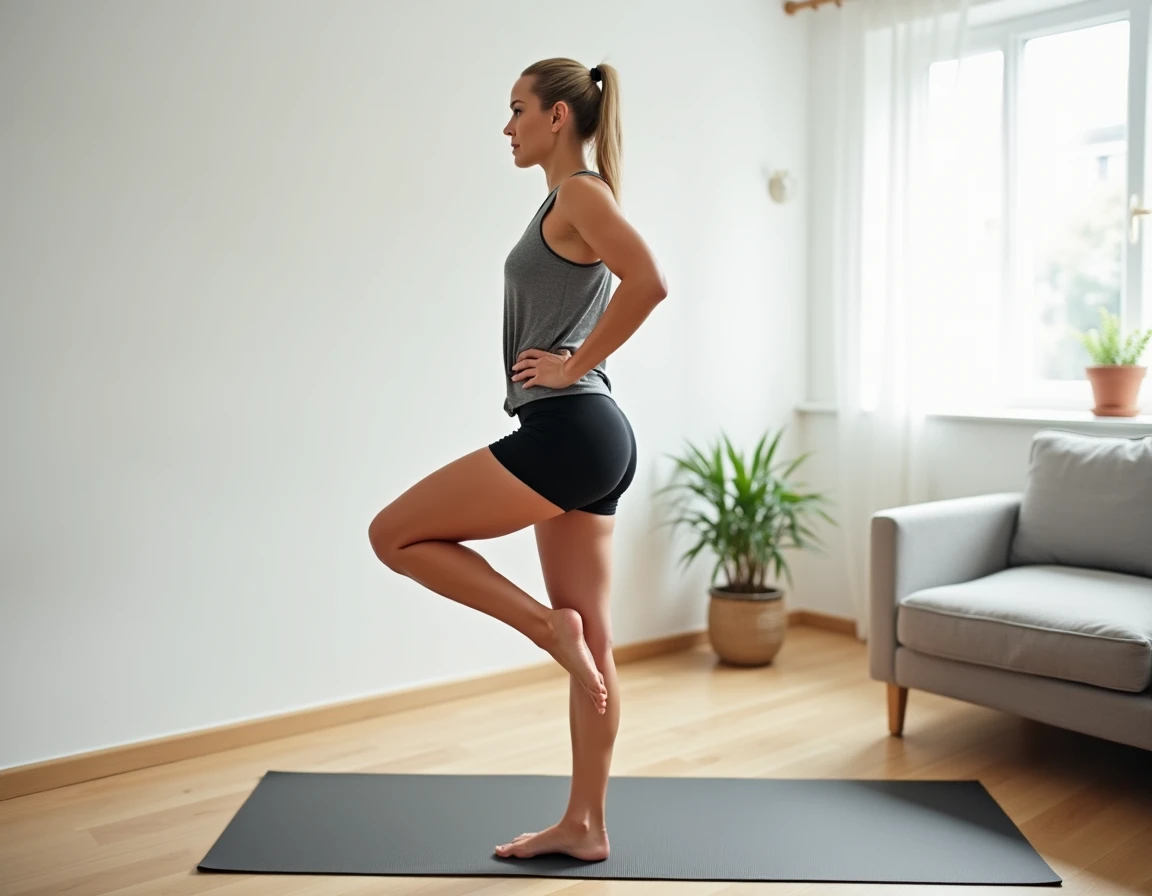
Reducing heel pain to a “high-impact sport” problem is a misleading simplification. Recent work in sports medicine points to a more precise factor: overall training load, which includes cumulative volume, intensity, type of surface, and shoe condition.
A walker who goes on long hikes on hard ground with worn-out shoes subjects their plantar fascia to as much stress as a runner. Overtraining is not just an issue for athletes. Any sudden increase in load, whether from returning to sports, changing to a standing job, or moving, can trigger or worsen fasciitis.
Common mistakes in resuming activity
- Resuming running or long walking as soon as pain decreases, without gradual progression in volume and intensity over several weeks
- Keeping the same sports shoes beyond their functional lifespan, which reduces cushioning under the heel and increases stress on the fascia
- Neglecting surfaces: switching from a cushioned treadmill to asphalt without an adaptation period exposes the foot to increased mechanical shock
- Ignoring morning warning signals, as pain with the first steps in the morning is the most reliable marker of persistent inflammation of the plantar fascia
Load management is not just a simple precautionary advice. It is the parameter that determines healing duration.
Stretches for the plantar fascia and Achilles tendon: what works and what worsens
Stretches are included in most care protocols. Their effectiveness depends on the technique and timing. A poorly executed stretch of the plantar fascia can reignite inflammation instead of calming it.
The classic mistake: stretching cold, standing, with the forefoot on a step and forcing the heel down. This movement simultaneously stresses the Achilles tendon and the plantar fascia under maximum tension, on already irritated tissue.
Appropriate stretching protocol
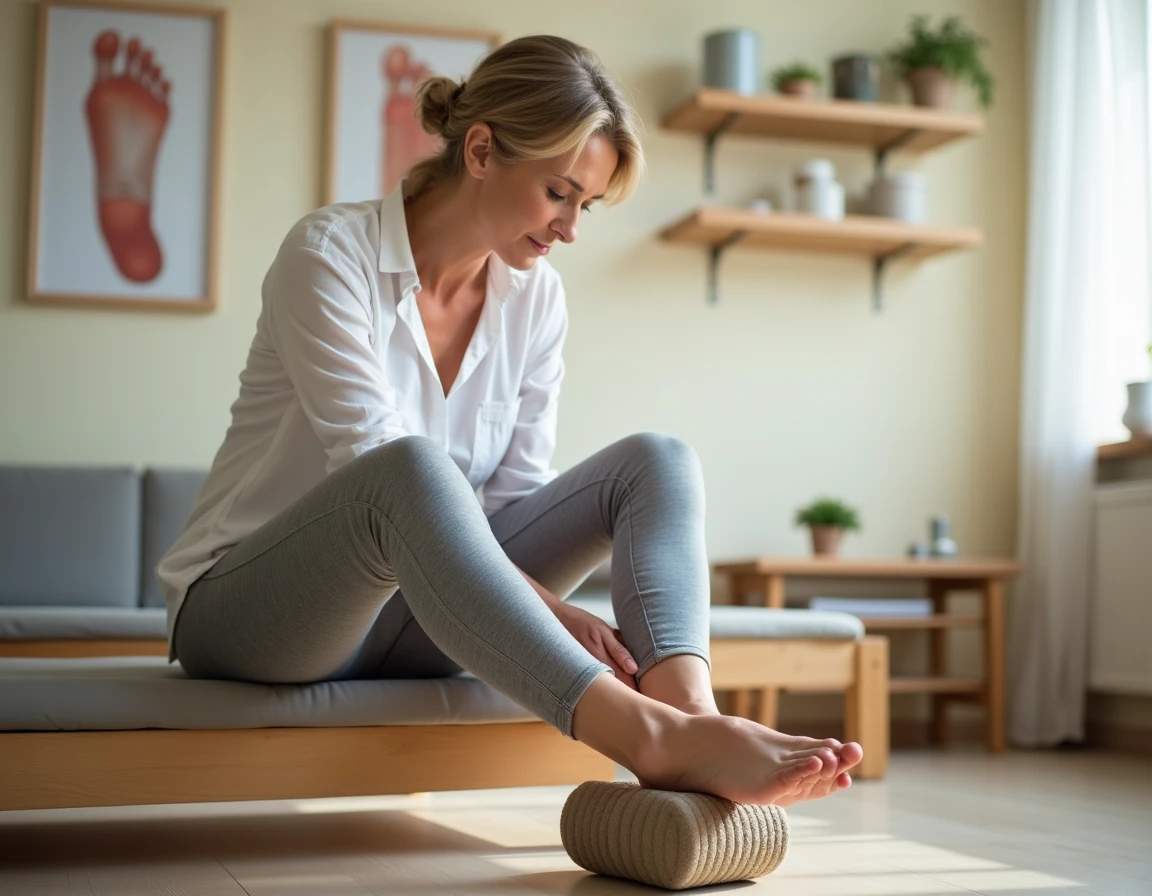
Favor seated stretches in the morning before placing the foot on the ground. Cross the ankle over the opposite knee, then gently pull the toes toward the shin for about twenty seconds. This action targets the plantar fascia without overloading the Achilles tendon.
Stretching the calf (gastrocnemius and soleus) remains complementary but should be done after a light warm-up. Calf tightness and calcaneal spur are closely linked: a shortened calf increases tension on the fascia with each step. Both areas need to be worked on, in the correct order and with progressive intensity.
Orthopedic insoles and shoe selection for painful heel
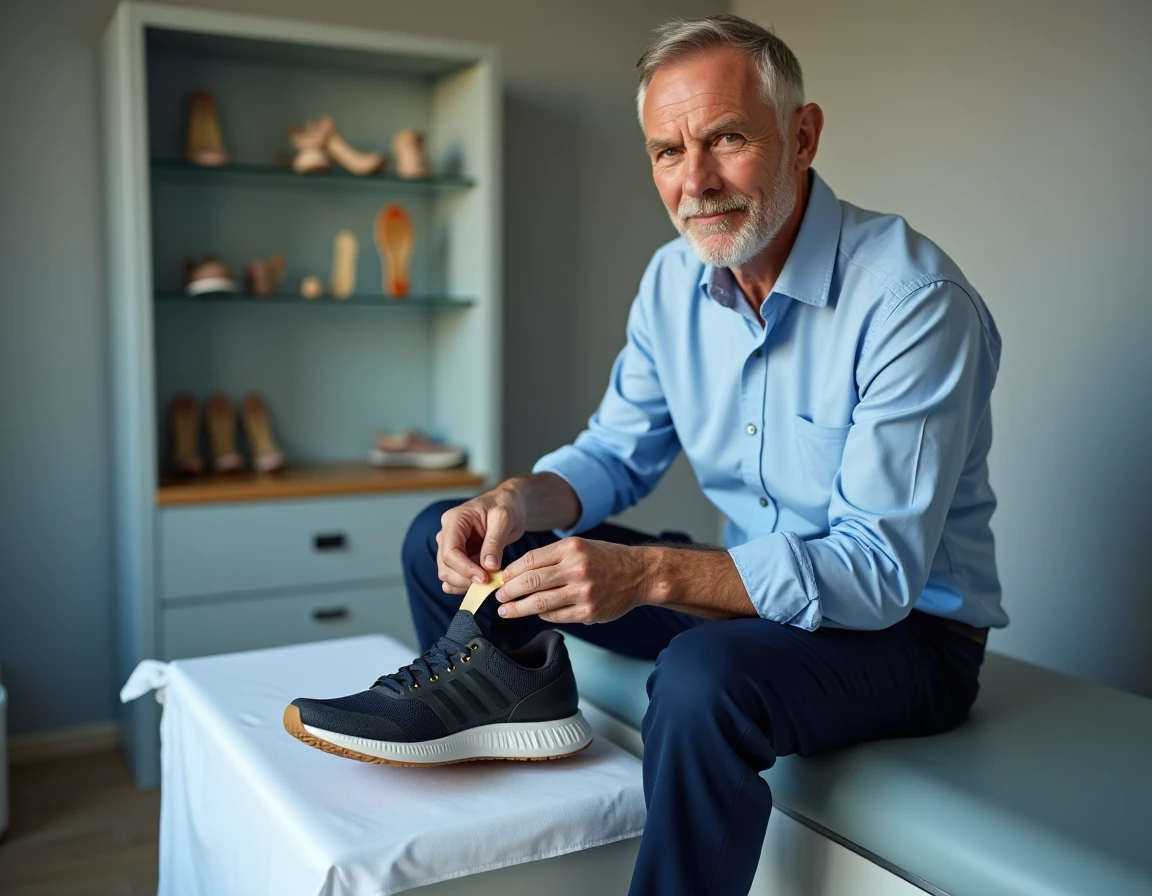
Custom orthopedic insoles are a cornerstone of conservative treatment. Their role is to redistribute pressures under the foot and reduce the pull of the fascia on the calcaneus. A common mistake is buying silicone heel pads at a supermarket hoping for the same effect.
A heel pad absorbs shock but does not correct any static disorder (excessive pronation, high arch, flat foot). Only an insole designed after analyzing posture and gait can address the mechanical cause. Off-the-shelf insoles may provide temporary relief without addressing the underlying issue.
The choice of shoes contributes to the same goal. Three criteria matter:
- A rigid heel counter to stabilize the heel in the shoe and limit unwanted movements
- A sufficient heel-to-toe drop to relax the plantar fascia (flat or minimalist shoes are contraindicated during the inflammatory phase)
- A midsole that does not compress under body weight, especially during prolonged standing
Wearing appropriate shoes as soon as you get up is part of the treatment. Walking barefoot on tile in the morning, when the fascia is at its stiffest, mechanically reignites inflammation.
Healing from a calcaneal spur relies less on a single treatment than on the simultaneous removal of several aggravating factors. Correcting activity load, adapting stretches, wearing appropriate insoles, and choosing the right shoes form a coherent set. Removing just one of these elements is often enough to prolong pain for several months.