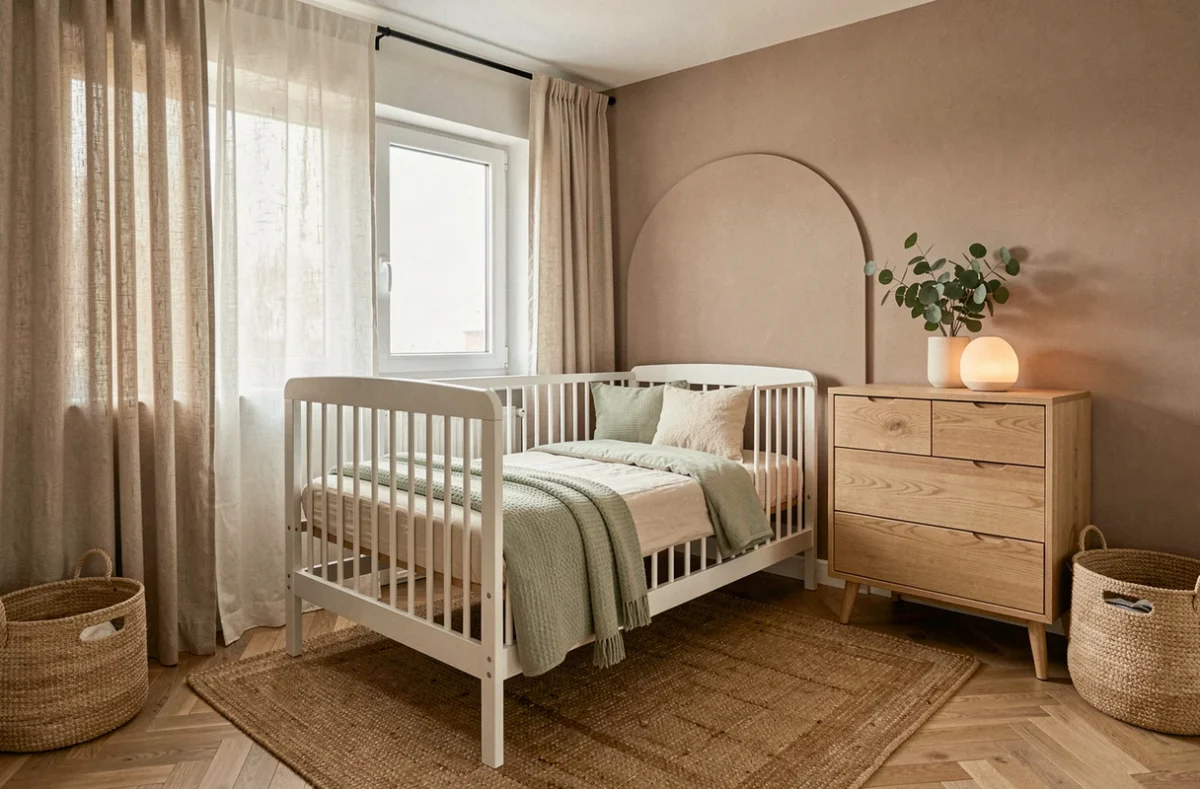
Preparing the baby’s room before birth takes a lot of energy, from choosing decor to buying furniture and wanting to do it right. The trends for 2024 in the baby’s room go beyond aesthetics: they intersect with issues of sleep safety, air quality, and furniture sustainability that classic decor guides rarely address.
Air Quality in the Baby’s Room: A Criterion Before Painting
Have you ever noticed that new smell when unpacking a piece of furniture? These are volatile organic compounds (VOCs) that are released from panels, glues, varnishes, and even some paints. In a small enclosed space, an infant is exposed to these for several hours each night.
Choosing a paint labeled A+ is not enough. New furniture, synthetic textiles, and flooring also contribute to emissions. Unpacking and airing out furniture several weeks before the baby arrives significantly reduces the concentration of VOCs by the time the baby occupies the room.
Some concrete habits help limit these emissions over time. Among the products available on bullabebe.com, you can find furniture and accessories designed to meet these quality and safety requirements.
- Prefer solid raw wood furniture or water-based finishes rather than low-quality melamine particle boards, which emit more formaldehyde.
- Ventilate the room for at least ten minutes a day, even in winter, by opening the window wide rather than leaving it ajar.
- Avoid scented candles, incense, and air fresheners in the room where the infant sleeps: they add fine particles to the ambient air.
Sleeping Safety: What the “Cocoon Room” Trend Doesn’t Say
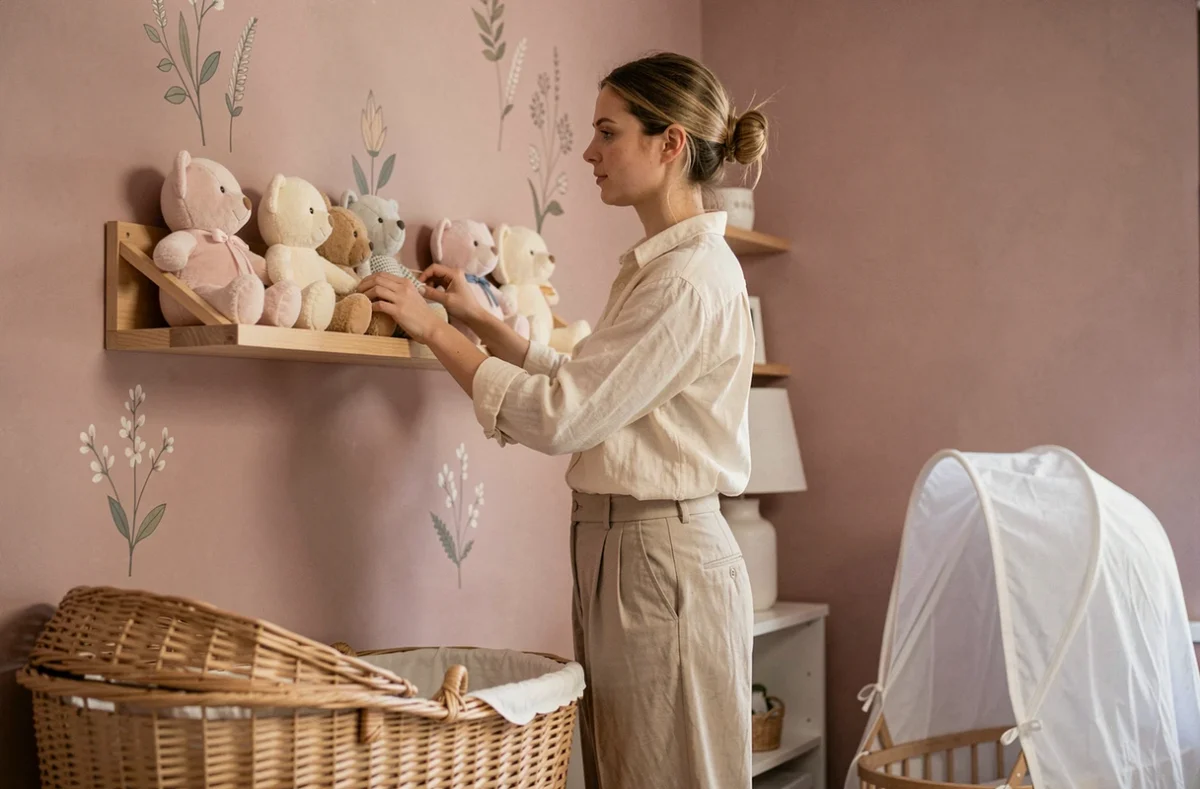
Inspiration photos often show a bed filled with cushions, a soft bumper, a knitted blanket, and large stuffed animals. The visual effect is successful. The problem is that none of this should be in an infant’s bed.
Health recommendations are clear: safe sleeping means a firm, flat mattress, exactly sized for the bed, without a pillow, duvet, bumper, or stuffed animal. The baby sleeps in a sleeping bag suitable for the room temperature and their size.
Bed Reducer and Nest: Pretty but Risky
Bed reducers and sleep nests are very popular on social media. They create the impression of reassuring the newborn by recreating an enveloping space. Their presence in the bed creates a risk of confinement and overheating.
For parents who want to secure the first months, a suitably sized crib is a better replacement for a reducer placed in a large bed. The reduced space of the crib naturally offers that feeling of containment, without any additional accessories.
Room Sharing in the First Months: A More Discreet Trend
The majority of articles on the baby’s room assume that the newborn will sleep in “their” room as soon as they return from the maternity ward. Recent recommendations suggest otherwise: keep the baby in the parents’ room for the first six months, in a separate bed.
Why this choice? Sharing the room (not the parental bed) makes nighttime awakenings for breastfeeding easier and allows parents to monitor the infant’s breathing. The carefully decorated room remains useful for naps, diaper changes, and storage, but it is not necessarily the main sleeping place at the beginning.
Practically, this changes the list of priorities for furnishing. Before investing in wall decor, it may be more useful to plan for a compact crib compatible with the parents’ room, then gradually complete the space dedicated to the baby.
Expandable Furniture and Soft Colors: Choices That Last
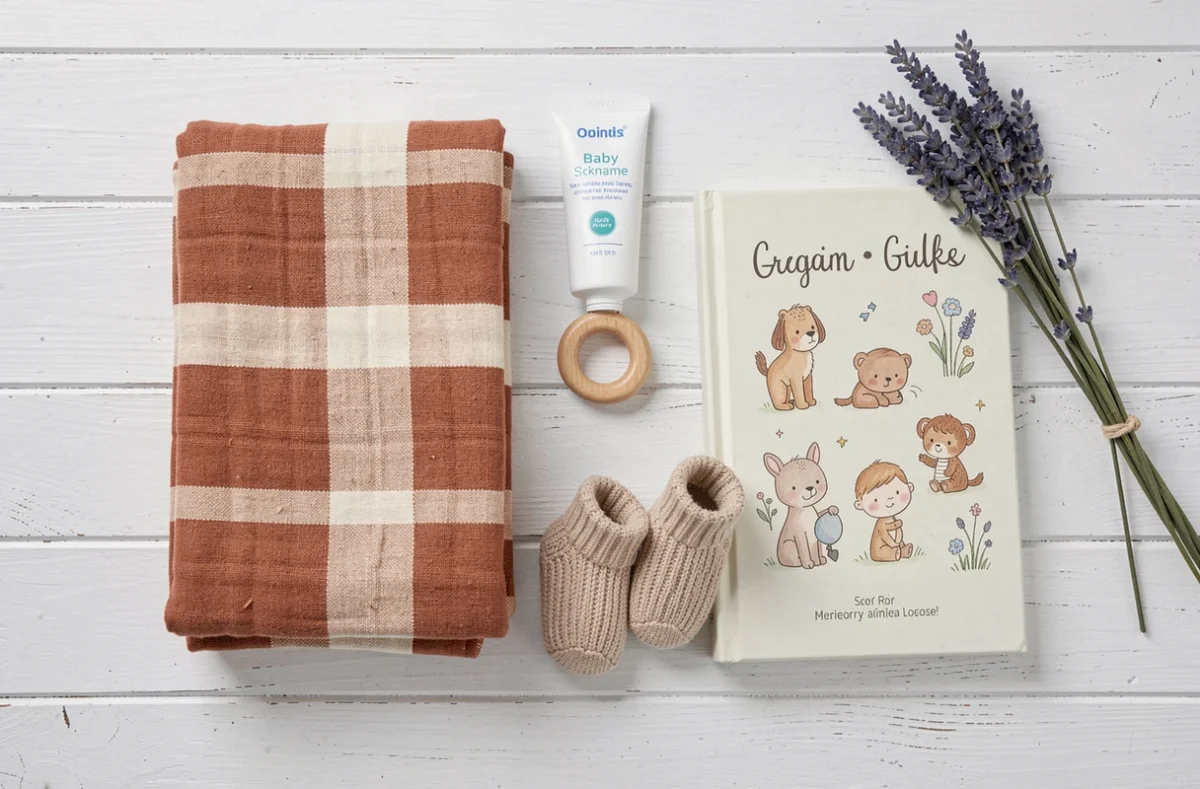
Natural color palettes dominate the 2024 trends for the baby’s room. Almond green, soft terracotta, and neutral tones (beige, cream, light gray) appear in most inspirations. These shades age better than a strongly themed room, and the room remains coherent as the child grows.
Expandable Bed: An Investment to Check
An expandable bed transforms to accompany the child from birth until about three or four years old. This is a real economic argument, provided you check two points before purchase:
- The mattress must be replaceable for each configuration. A mattress that is too thin or too soft for the larger size compromises comfort and safety.
- The transformation pieces (side rails, extensions) must be included or available for purchase. Some manufacturers stop producing these parts after a few years.
- The sturdiness of the structure matters more than the design: a solid wood bed with screwed joints withstands configuration changes better than a model made of thin clipped panels.
Changing Table or Dedicated Changing Unit
The standalone changing table takes up space and is only useful for a few months. Placing a removable changing pad on a standard dresser offers the same function, then frees up a storage piece for the following years. Every piece of furniture in the room should have a use beyond the first year.
Preparing the baby’s room benefits from being approached in layers: first safety (sleeping, air, electricity), then durable furniture, and finally decor. Trends come and go, but a compliant mattress and healthy air remain the foundations of a space where the infant sleeps well.