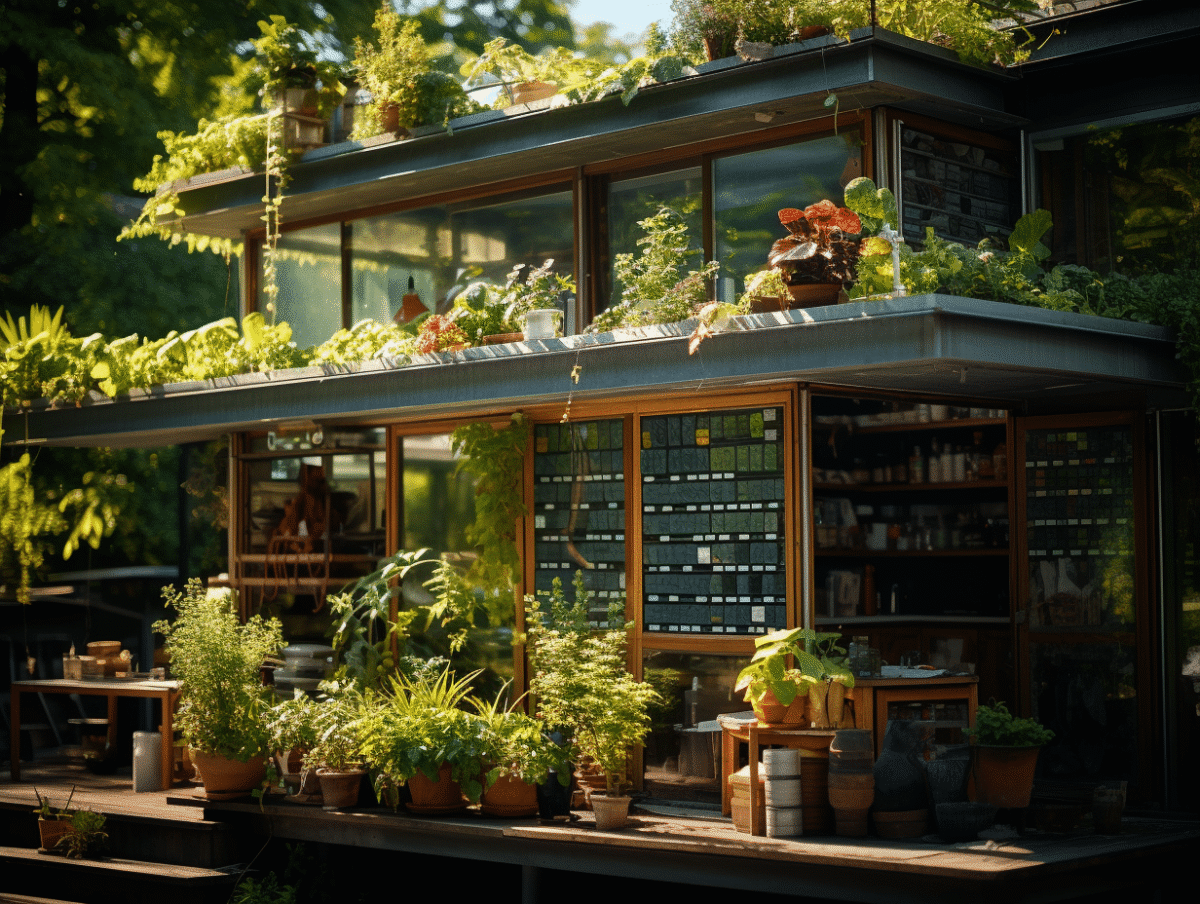
The growing urbanization and environmental awareness have spurred innovation in the design of green spaces. Vertical gardens are emerging as an aesthetic and ecological solution to integrate nature into densely populated urban environments. These suspended oases are not just a means to green cities, but also a method to improve air quality, provide sound and thermal insulation for buildings, and promote biodiversity. This concept, which blends architecture and botany, employs various techniques, ranging from simple trellises to sophisticated hydroponic systems, to create living facades and lush interiors.
The Foundations of Vertical Gardens: Ecology and Innovation
The vertical garden, born from the hands of pioneers like Patrick Blanc, is now understood as a revolution in plant architecture. This art, which combines aesthetics with environmental ethics, constitutes a bold response to the challenges of air pollution and urban densification. Indeed, these green walls are not mere ornaments; they act as true natural air conditioners, regulating ambient temperature through the evapotranspiration of plants, and as acoustic barriers, dampening the sounds of the city.
Consider the benefits of the vertical garden: by filtering suspended particles, vertical gardens significantly improve air quality. Their installation, encouraged in action plans for a green city, fosters beyond urban biodiversity. By creating habitats for various species of fauna and flora, they contribute to the restoration of ecosystems in urban settings, where every green space counts.
In this quest for harmony between humans and their environment, the profession of ‘Le Jardinier Décorateur’ takes on a new dimension, combining in-depth botanical knowledge with technical mastery. These artisans of life design structures where nature, far from being tamed, is invited to express its vitality in the heart of living spaces. The vertical garden transcends its primary function to become a symbol of ecological innovation serving a sustainable future.
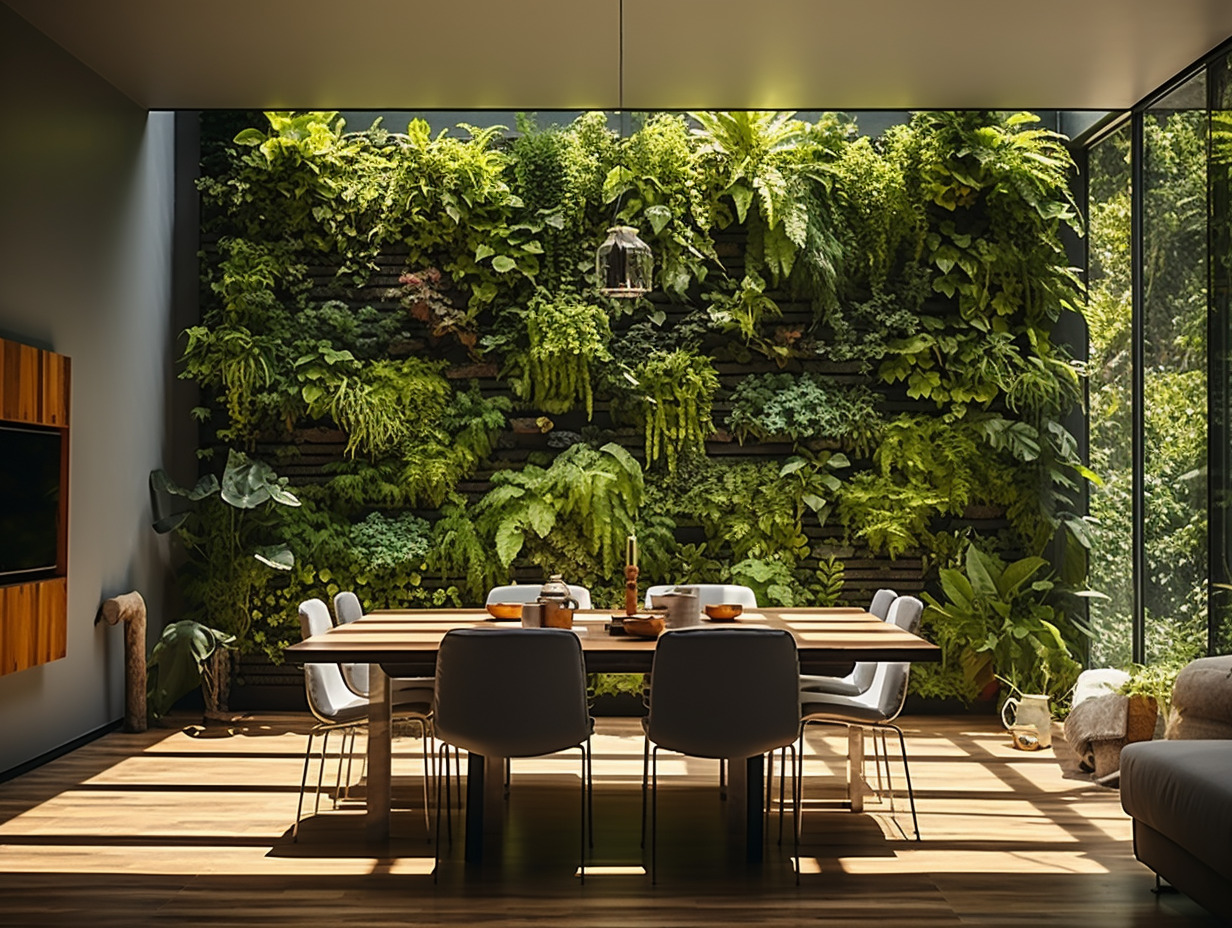
Techniques and Tips for Creating and Maintaining a Vertical Garden
Creating a vertical garden requires meticulous planning and the adoption of appropriate systems to ensure its sustainability. Among the most popular techniques, the hydroponic system, which allows for soil-less cultivation, and the matrix system, often made of rock wool or felt, provide optimal growth support. More recently, the modular system stands out for its flexibility, allowing gardeners to adjust and customize their green wall according to available space and environmental conditions.
The maintenance of a vertical garden revolves around an effective watering and irrigation system. The establishment of a closed loop system is recommended to minimize water consumption and ensure the supply of essential nutrients to the plants. For those looking to invest in their balcony or terrace, the vertical garden transforms into a true vertical vegetable garden, where herbs, fruits, and vegetables, such as cherry tomatoes and strawberries, thrive and provide an accessible and delicious harvest.
The choice of plants for a vertical garden is crucial to the success of the whole. Ferns, jasmines, honeysuckles, philodendrons, and wisterias are just some varieties that adapt harmoniously to vertical living. These plants, in addition to their ornamental qualities, contribute to creating a favorable microclimate and enhance local biodiversity. Climbing plants, in particular, offer lush greenery and contribute to the overall aesthetics of the installation.
Support from a professional landscaper can be invaluable, especially for novices. These specialists possess the expertise necessary to advise on species selection, space optimization, and the integration of plant structures. They also guide the development of a tailored maintenance plan, ensuring the vitality and longevity of the vertical garden. Their in-depth knowledge of garden design allows for the transformation of simple walls into true living works of art, a modern echo of the legendary Hanging Gardens of Babylon.